What if your daily walk took you past century-old bungalows, sunlit porches, and leafy streets that lead to coffee, vintage shops, and the bay? If you are exploring Belmont Heights, you are likely drawn to that blend of architectural character and coastal living. In this guide, you will learn how the neighborhood’s homes were built, how people live here today, and what to know before you buy or renovate. Let’s dive in.
Where Belmont Heights fits
Belmont Heights is a residential neighborhood within Long Beach and part of the city’s inventory of historic districts. It includes the Belmont Heights Historic District and the one-block Eliot Lane Historic District, both locally designated by the City of Long Beach. Many contributing homes date from the early 1900s through the 1930s and 1940s, which is why the streets show such strong period character. You can explore the city’s preservation overview to see how these districts are mapped and managed through local policy.
According to the city’s design guidelines for Belmont Heights, Craftsman bungalows define much of the district’s look and feel. You will also find Spanish and Mission Revival, Tudor Revival, and a handful of Victorian-era survivors mixed in. The neighborhood association underscores this history and highlights the goal of preserving the porch-forward, tree-lined charm that residents love.
Signature architecture you will see
Craftsman bungalows
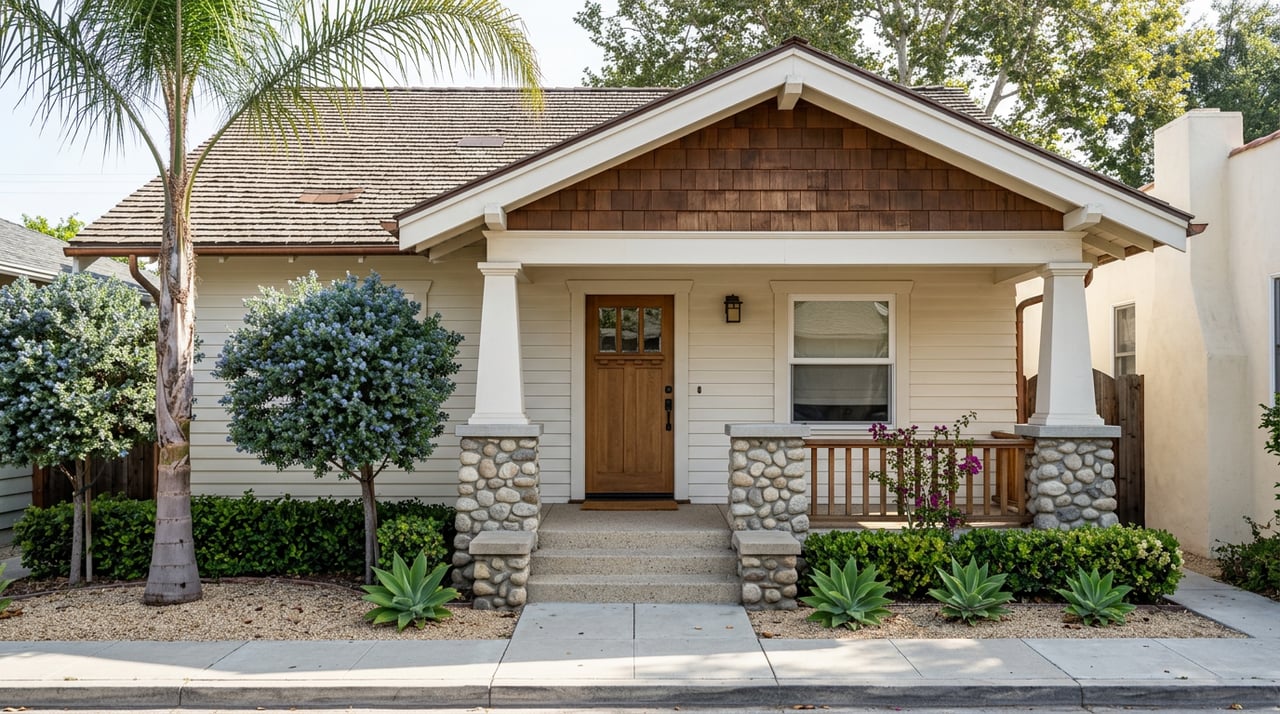
Craftsman and California bungalows are the dominant house type in Belmont Heights. The city’s Belmont Heights guidelines point to classic traits like low-pitched gabled roofs, wide eaves with exposed rafters, and tapered square porch columns that often sit on low masonry bases. Interiors commonly feature built-in cabinetry and grouped windows that bring in soft daylight. These homes were designed for indoor-outdoor living, and the porches still act as social spaces that connect you to the street.
For buyers, Craftsman details are not just style, they are value. Porch orientation, original windows, and rooflines are considered character-defining. When these features are intact, they often support stronger resale appeal within the historic district context.
Mission and Spanish Colonial Revival
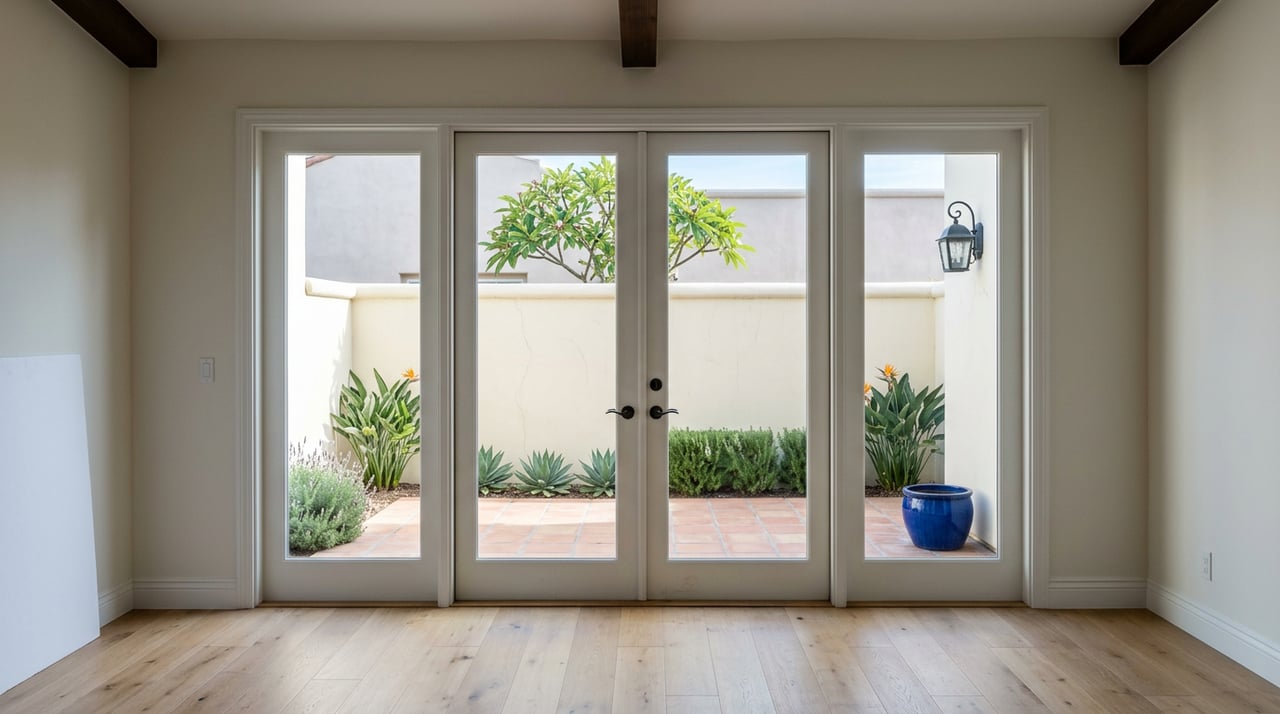
Spanish and Mission Revival homes appear across Belmont Heights and are especially notable in and around Eliot Lane. Look for smooth stucco walls, red clay tile roofs, arched entries or window openings, and small ornamental iron elements. Many homes include recessed porches or small courtyards that make morning coffee or evening dining outside feel natural. These details are part of a broader Southern California tradition that fits the coastal climate and lifestyle.
Other styles and sensitive infill
Amid the Craftsman majority, you can spot Tudor Revival gables, a few Prairie-influenced forms, and some Victorian-era survivors. In recent decades, select infill and additions have been designed to fit the district scale and massing. The city’s preservation program emphasizes compatibility so the neighborhood’s historic streetscape remains cohesive as homes evolve.
Eliot Lane spotlight
Eliot Lane is a one-block micro-district within Belmont Heights, built in 1923 by the firm Boland and Smith. With 30 contributing cottages that share similar forms and setbacks, the block reads as a unified ensemble from end to end. Historically, these were modest worker houses during the 1920s building boom. Today, their small footprints and strong architectural integrity make them highly sought after.
Recent reporting shows that these little houses can command big prices. The Long Beach Post has covered how Eliot Lane cottages have sold for premium totals despite their size, reflecting the pull of location, design, and scarcity. If you are comparing options, use Eliot Lane as a case study in how character and cohesion can drive demand.
Lifestyle snapshots nearby
Leafy streets and porch culture
Belmont Heights is often described by residents as quiet and green, with mature trees and front porches that encourage neighborly hellos. That physical setup supports a lifestyle of short walks, conversational evenings on the porch, and errands by bike. The neighborhood association notes that this is exactly the character the city aims to preserve, which is why the historic overlay matters.
Retro Row on 4th Street
From central Belmont Heights, you are a short walk or bike ride to Retro Row on 4th Street. This independent retail corridor is known for vintage shops, coffeehouses, and small restaurants. On Fourth Fridays, the street hosts an evening community event with open shops and music, which adds energy to the end of the week. It is an easy way to plug into the local scene and sample the area’s creative side.
2nd Street and the shore
Belmont Shore’s 2nd Street is the closest beachside dining and shopping strip. The beach, the bay, and Belmont Pier are just a quick bike or car ride from most Belmont Heights blocks. Picture a Saturday that starts with a porch coffee, rolls into a midday ride to the bay, and wraps with dinner on 2nd Street.
Parks, water, and open space
Recreation Park 18, Long Beach’s historic municipal course, sits just up the road and offers a classic tree-lined round of golf. Closer to the water, the Colorado Lagoon restoration is reconnecting the Lagoon to Marine Stadium through a multi-year open-channel project. This work is designed to improve water quality, habitat, and access, and it may influence how you experience the shoreline in the next few seasons. The combined system of Lagoon, Marine Stadium, and nearby beaches supports morning paddle sports, weekend picnics, and calm sunset walks.
Buying and owning in a historic district
Preservation review, simply explained
If you plan exterior changes, you will work within Long Beach’s Historic District Design Guidelines. Certain projects may require a Certificate of Appropriateness, reviewed by the city’s Historic Preservation Office and Cultural Heritage Commission. The goal is to retain character-defining features like porches, rooflines, and original window groupings while allowing thoughtful updates. Many owners find it helpful to consult Preservation staff early in the planning phase to save time.
ADUs and additions
Accessory dwelling units and additions are possible, but design needs to be compatible with the original house and streetscape. The Belmont Heights guidelines outline how to minimize visual impact from the street, maintain roof and porch relationships, and place new massing toward the rear. If you are thinking about an ADU for multigenerational living or income, start with a design that defers to the main house and meets current city and state standards.
Old-home updates to expect
Most Belmont Heights homes are older, so you should budget for modernization of plumbing, electrical, insulation, or seismic bracing. The city’s guidance recommends a preservation-first approach for visible exterior elements, with repair prioritized over replacement. Inside, strategic upgrades can improve comfort and efficiency while keeping original woodwork and built-ins. A thorough inspection and a contractor with experience in historic homes will help you scope the right plan.
Lot size and parking realities
Lots and garages tend to be smaller than in newer suburbs. That can limit driveway options and change how you think about outdoor space and storage. In exchange, you gain walkability, front-porch living, and neighborhood charm. Review lot dimensions, floor plans, and any easements early so you know how a home fits your daily routine.
Market signals to watch
Belmont Heights sits within the 90803 zip code, where coastal demand is a steady force. As of December 2025, Realtor.com reported a current median sale price for the zip code and neighborhood-level medians that reflect that demand. Always verify up-to-the-minute numbers with your agent, since conditions can shift month to month. For context, small historic cottages on Eliot Lane have recently sold for strong totals despite modest square footage, a sign that architectural integrity and location can outweigh size.
Price behavior varies by block, view corridor, parking, and how intact the original features are. Homes with thoughtful updates that respect historic details often show better buyer response. If you are selling, premium presentation paired with accurate positioning can help your home stand out within this character-rich market.
How to get more from your search
- Walk and bike the area at different times of day to feel the rhythm of porch life, street trees, and traffic.
- Review the Belmont Heights design guidelines before you fall in love with a project house so you understand what is feasible.
- Budget for historic-home updates like systems and seismic work while planning to retain visible exterior details.
- Measure yard and patio areas to confirm how you will use outdoor space for dining, pets, or gardening.
- Ask early about ADU potential, garage placement, and any past permits so you have a clear path to value.
- Lean on a local team that knows the district review process and can connect you with preservation-friendly vendors.
If you are ready to compare streets, weigh renovation paths, or time a sale, reach out for a local, step-by-step plan that fits your goals. When you want both neighborhood nuance and a polished process, connect with Cynthia Voss for guidance and a free home valuation.
Sources and further reading
- Explore the city’s Historic Districts overview to see district maps and policies.
- Review the Belmont Heights Design Guidelines for character and project guidance.
- Read the Eliot Lane district summary for historic context and design cues.
- Learn how neighbors describe Belmont Heights’ historic character.
- See Fourth Fridays on Retro Row for a local culture snapshot.
- Check Recreation Park 18 for golf and park details.
- Follow the Colorado Lagoon Project for shoreline and habitat updates.
- See reporting on Eliot Lane’s small homes commanding strong prices.
FAQs
What defines Belmont Heights architecture in Long Beach?
- Craftsman bungalows dominate, with Mission and Spanish Colonial Revival, Tudor Revival, and a few Victorian-era homes adding variety. Porches, low-pitched roofs, and historic windows are key visual cues.
How does preservation review work for Belmont Heights homes?
- Exterior changes in the historic districts may require city review and a Certificate of Appropriateness. The process aims to keep character-defining features while allowing compatible updates.
Are ADUs allowed on historic Belmont Heights properties?
- Yes, ADUs are allowed under state and city policy, but design must be compatible with the original house and streetscape. Expect review to focus on placement and minimizing street-visible impact.
What is special about Eliot Lane within Belmont Heights?
- It is a one-block 1923 micro-district with 30 cohesive cottages. Despite small footprints, these homes attract strong interest because of location, design integrity, and scarcity.
What lifestyle amenities are near Belmont Heights?
- You can walk or bike to Retro Row’s indie shops and Fourth Fridays events, head to 2nd Street and the beach for dining and water access, play a round at Recreation Park 18, and enjoy the evolving Colorado Lagoon and Marine Stadium system.