If you have ever wondered what it’s really like to live in Naples, Long Beach, the answer starts with the water. This is not a neighborhood where the canals sit in the background. They shape how you walk, gather, relax, and even run a simple weekend errand. If you are curious about the day-to-day lifestyle here, this guide will show you how Naples feels beyond the postcard view. Let’s dive in.
Naples Feels Like a Waterfront Village
Naples was planned in 1904 as a Venetian-style community on the Alamitos Bay Peninsula, with canals and pedestrian walkways built into the original streetscape. Historical records from the City of Long Beach note that the neighborhood design included sidewalks, curbs, gutters, streetlights, and parkways from the start. That early planning still shows up in how the area functions today.
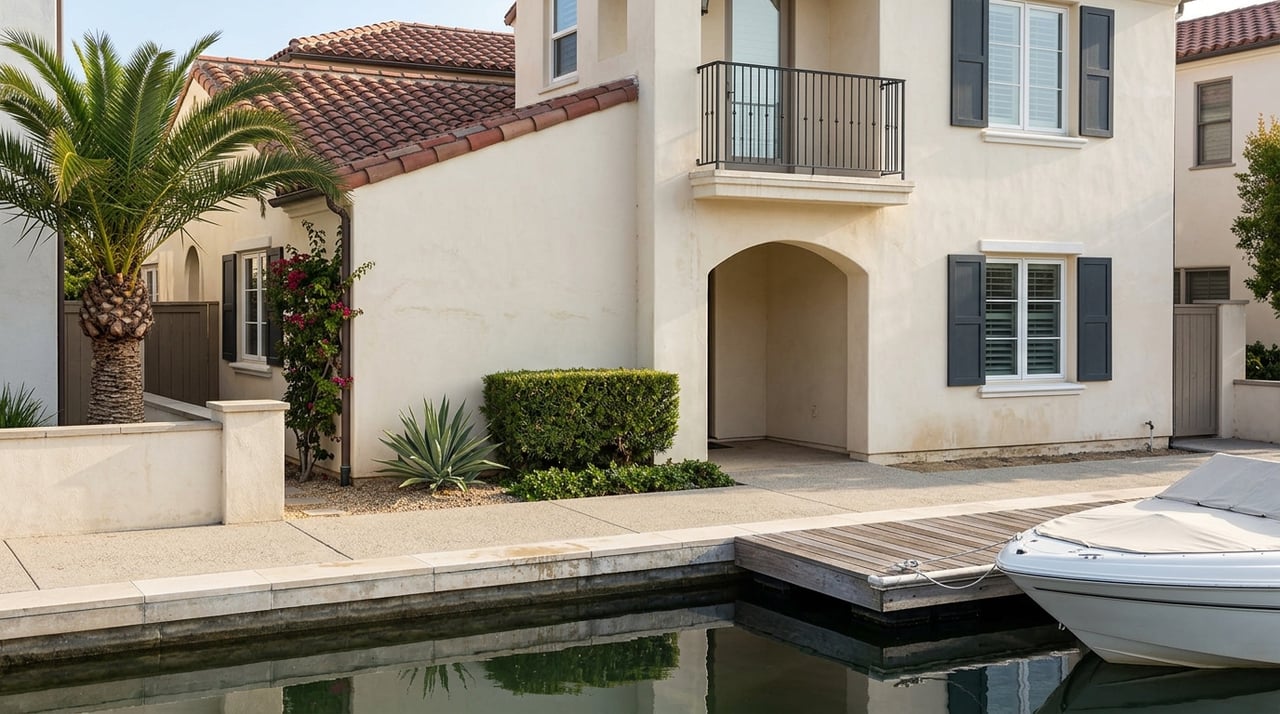
The setting feels different from a typical inland neighborhood. Naples is made up of three islands in Alamitos Bay, connected by bridges and shaped by calm waterways and waterfront walkways. In practical terms, that gives daily life a small-scale, village-like rhythm that many buyers are looking for when they want a coastal lifestyle with character.
Daily Movement Is Built Around Walking
One of the first things you notice about Naples is that people move through it at a slower pace. Walking and biking fit naturally into everyday life, especially around the bridges, waterfront paths, and nearby commercial pockets. The canals are not just scenic. They influence how people get around.
Second Street plays a big role in that lifestyle. Visit Long Beach describes it as a 15-block shopping, dining, and entertainment district, and notes that you can walk across the bridge at Alamitos Bay into Naples for additional shops, restaurants, and bars. That connection gives residents easy access to daily conveniences without losing the quieter canal setting at home.
Long Beach also supports that pedestrian feel with broader shoreline infrastructure. The city maintains a 3.1-mile shoreline pedestrian path, and Alamitos Beach connects downtown to Alamitos Bay with both a paved bicycle path and a separate walking path. While most residents still use cars for some errands, the neighborhood clearly supports a more walkable everyday routine than many other parts of the city.
What that can mean for your routine
If you live in Naples, a normal day might include:
- Walking over a bridge for coffee or a meal on or near Second Street
- Taking a casual bike ride along the shoreline corridor
- Meeting friends for a low-key dinner nearby
- Spending part of the evening on a waterfront stroll through the canals
That mix of movement and scenery is a big part of the area’s appeal.
The Water Is Part of Daily Life
In Naples, the water is not reserved for special occasions. It is woven into the neighborhood’s routine. You see it in how homes relate to the canals, how people spend their free time, and how the area is regulated as a residential waterfront environment.
The City of Long Beach requires an annual seawall permit for every boat moored beside a waterfront property in the Marina area. The permit rules also prohibit liveaboards and commercial usage. That framework helps explain why the canals feel primarily residential rather than like a busy public marina district.
Canal activities are mostly calm and recreational
According to a California Coastal Commission permit record for the Naples seawall project, the canals are popular for:
- Kayaking
- Paddle boarding
- Small boating
- Swimming
- Venetian-style gondola rides
This matters because it sets the tone for the neighborhood. Naples is centered on low-speed, scenic, recreational use rather than heavy marine traffic. If you are picturing peaceful water views and relaxed activity, that is much closer to the day-to-day experience here.
Public access exists, but it is limited
One detail many buyers want to know is whether the canals are easy to access casually. The answer is yes, but with limits. The Coastal Commission record notes that direct public water access is limited, so canal use often happens through private docks, rentals, or organized cruises.
For paddling and casual boating, Bayshore Beach is a practical nearby launch point. Visit Long Beach notes that kayakers can launch there, cruise the bay, or even circumnavigate Naples in calm water. That gives residents and visitors a way to enjoy the setting without needing a waterfront dock of their own.
Mother’s Beach Adds Everyday Convenience
Mother’s Beach is one of the most useful amenities tied to Naples living. The City of Long Beach places it on the northeast side of Naples Island and describes it as having gentle waves, a shallow swimming area, lifeguard supervision during peak periods, and a playground. That combination makes it feel more like a calm bayfront gathering spot than an open-ocean beach.
For many people, that changes how often they actually use the waterfront. Instead of planning a full beach day, you can picture shorter, easier visits that fit into a normal week. It adds a practical layer to the lifestyle and helps explain why the neighborhood feels active even outside major events.
Dining and Errands Stay Close to Home
Waterfront neighborhoods can sometimes feel beautiful but inconvenient. Naples is not isolated in that way. Nearby shopping and dining options help support everyday life without requiring a long drive for every outing.
Visit Long Beach highlights Second Street, Marina Pacifica Mall, and 2ND & PCH as nearby centers for shopping and dining. Its neighborhood coverage also points to Belmont Shore and Naples as areas where you can find restaurants, coffeehouses, and pubs. That variety helps create a lifestyle where casual meals, quick meetups, and routine errands feel close at hand.
A few official directory listings also reinforce the neighborhood-scale dining mix. Marlena at Naples Plaza and Michael’s on Naples on East 2nd Street are both part of the local food scene. Whether you are looking for a simple coffee run or a more polished dinner, the area offers options that fit the setting.
Community Life Is Highly Visible
One reason Naples stands out is that community life is easy to see. In some waterfront neighborhoods, people come and go with little shared identity. In Naples, organized events and volunteer involvement make the neighborhood feel more connected.
The Naples Improvement Association lists committees and partner groups tied to the Boat Parade, holiday home decoration, safety, summer concerts, pancake breakfast, fun run, CERT, and neighborhood watch. Its materials also point to ongoing involvement in local quality-of-life issues such as seawalls, roads, and sidewalks. That level of participation suggests a neighborhood where residents are actively engaged with the place they live.
Seasonal traditions shape the local rhythm
Naples has activity year-round, but the most visible bursts of energy tend to come from seasonal events. Visit Long Beach highlights the Naples Island Annual Boat Parade each December, when decorated boats and watercraft move through the canals. Holiday lighting on canal-front homes also draws attention to the neighborhood during that season.
These traditions do more than create festive moments. They reinforce the identity of Naples as a place where the canals are central to social life, not just the view from a living room window.
What Buyers Often Notice First
For buyers touring Naples, the biggest impression is usually not just the architecture or the water. It is the way the environment changes your pace. Bridges, walkways, calm canals, and nearby dining all work together to make the neighborhood feel distinct from other Long Beach coastal pockets.
That does not mean every part of life happens on foot or on the water. Like most neighborhoods, Naples still depends on some driving and everyday planning. But if you are looking for a place where scenery and routine are closely connected, Naples offers one of the clearest examples in Long Beach.
Why Naples Continues to Draw Interest
Naples appeals to people who want more than a home near the coast. It offers a daily experience shaped by waterfront design, recreational canal use, walkable connections, and visible community traditions. That combination is rare, and it is a big reason the neighborhood stays top of mind for lifestyle-driven buyers.
If you are thinking about buying or selling in Naples, local context matters. Street-by-street feel, canal orientation, bridge access, and proximity to nearby amenities can all influence how a property lives and how buyers respond to it. For guidance grounded in Long Beach neighborhood knowledge, reach out to Cynthia Voss.
FAQs
Is Naples in Long Beach walkable for everyday life?
- Yes. Naples is especially walkable around the bridge crossings, waterfront paths, and nearby Second Street, though most residents still use a car for some errands.
Can the Naples canals in Long Beach be used casually?
- Yes, but access is somewhat limited. Canal use often happens through private docks, rentals, or organized cruises, and nearby Bayshore Beach offers a launch point for kayaking and similar activities.
What is Mother’s Beach near Naples like?
- Mother’s Beach is a calm bay-side beach on the northeast side of Naples Island with gentle waves, a shallow swimming area, a playground, and lifeguard supervision during peak periods.
Does Naples in Long Beach have community events?
- Yes. Naples is known for visible community involvement and recurring events such as summer concerts, pancake breakfasts, neighborhood gatherings, and the annual holiday Boat Parade.
Is Naples mostly a boating neighborhood?
- Boating is an important part of the neighborhood identity, but the canals are primarily residential and are used mostly for low-speed recreational activities such as kayaking, paddle boarding, small boating, and gondola rides.