If you own a home in Park Estates, you already know it does not feel like a typical Long Beach neighborhood. From its larger lots to its mature trees and carefully maintained streetscape, Park Estates has a distinct identity that shapes both daily life and long-term ownership decisions. In this overview, you’ll get a clear look at what defines the neighborhood, how its design standards affect owners, and why its character continues to stand out in Long Beach. Let’s dive in.
What Defines Park Estates
Park Estates is a postwar Eastside Long Beach neighborhood with roots tied to the original L.S. Whaley development that began in September 1951. According to the City of Long Beach’s historic context statement, it sits about half a mile east of the Lakewood Boulevard traffic circle at Pacific Coast Highway and Anaheim Street, next to the then-new Long Beach State campus.
For owners, that history matters because it helps explain the neighborhood’s layout and feel today. Park Estates was planned as a custom-home community rather than an ordinary tract subdivision, and that original vision still shows in the lot sizes, architecture, and overall consistency.
Estate-Scale Homes and Larger Lots
One of the clearest differences in Park Estates is the scale of the homesites. The City’s Land Use Element describes 1940s and 1950s neighborhoods like this as large-scale postwar developments, with lots commonly ranging from 5,000 to 8,000 square feet, with the upper end intended for estate housing.
Park Estates is one of Long Beach’s examples of that estate-housing pattern. For homeowners, that often translates into a little more breathing room, a stronger sense of visual separation between homes, and more emphasis on curb appeal and landscaping.
Custom Architecture Still Shapes the Neighborhood
Park Estates is especially notable for its architectural history. The City’s historic context statement notes that the neighborhood included custom homes by architects such as Richard Neutra, Edward Killingsworth, and John Lautner.
That is a major part of why the neighborhood has such a distinct visual identity. Even when homes vary in style or updates, the area was built around custom design and a controlled appearance rather than a repetitive, mass-produced look.
Why Design Oversight Matters
The same city source notes that an architectural board and neighborhood association were organized to enforce strict visual guidelines. Today, that tradition continues through the HOA framework.
According to the Park Estates HOA tract information, the neighborhood is divided into tracts with distinct CC&Rs, and each tract has representation on the HOA board. That structure matters for owners because neighborhood standards are not just informal expectations. They are part of the way Park Estates preserves its character over time.
What Owners Should Know About the HOA
If you own in Park Estates or are planning future improvements, the HOA is an important part of ownership. The HOA states that exterior modifications must go through the Architectural Review Board.
This review process can affect everything from visible exterior updates to other changes that may alter the look of the property. For owners, the practical takeaway is simple: before starting exterior work, it is wise to confirm what review or approval may be required.
Tract-Based Rules and CC&Rs
Not every part of Park Estates is governed in exactly the same way. The HOA explains that the neighborhood is organized by tracts, and each tract has its own CC&Rs.
That means your property’s specific rules may depend on where your home sits within the neighborhood. If you are planning a remodel, preparing to sell, or trying to understand maintenance obligations, tract-level details can be just as important as the broader Park Estates identity.
Monthly HOA Meetings
The current Park Estates HOA homepage says board meetings typically take place on the third Thursday of each month. The City of Long Beach neighborhood directory also lists Park Estates HOA with monthly meetings on the third Thursday at 1777 Bellflower Blvd. #100 at 6:30 p.m.
For owners, regular meetings provide a useful channel for staying informed about neighborhood issues, design review topics, and community updates. Even if you do not attend often, knowing the schedule can help you stay connected.
Mature Trees Are Part of the Identity
Park Estates is not just known for homes. Its tree canopy is also a defining feature. The HOA says the abundance, maturity, variety, and quality of the neighborhood trees help keep Park Estates special, and any tree over 12 feet requires HOA review before removal.
For homeowners, that has both aesthetic and practical value. Mature trees contribute to the neighborhood’s appearance and long-established feel, but they also mean landscape decisions may involve added review compared with less regulated neighborhoods.
Location Near Major Long Beach Anchors
Another reason Park Estates appeals to many owners is its position near two major Long Beach destinations: California State University, Long Beach and Recreation Park. According to CSULB contact information, the university’s main campus is at 1250 Bellflower Boulevard.
Recreation Park is a 229-acre city recreation center in southeast Long Beach with 18-hole and 9-hole golf courses, the Billie Jean King Tennis Center, a lawn bowling green, playgrounds, a community center, and other facilities, according to the research provided. The 9-hole course sits directly across 7th Street from the 18-hole course.
What That Means for Daily Life
Park Estates is not primarily defined by dense commercial activity. Instead, its identity is shaped by estate-scale housing, mature landscaping, and close access to major recreation and university amenities.
For owners, that often means the neighborhood experience feels more residential and design-focused, while still being near well-known Long Beach destinations. That balance is part of what gives Park Estates its lasting appeal.
How Park Estates Differs Nearby
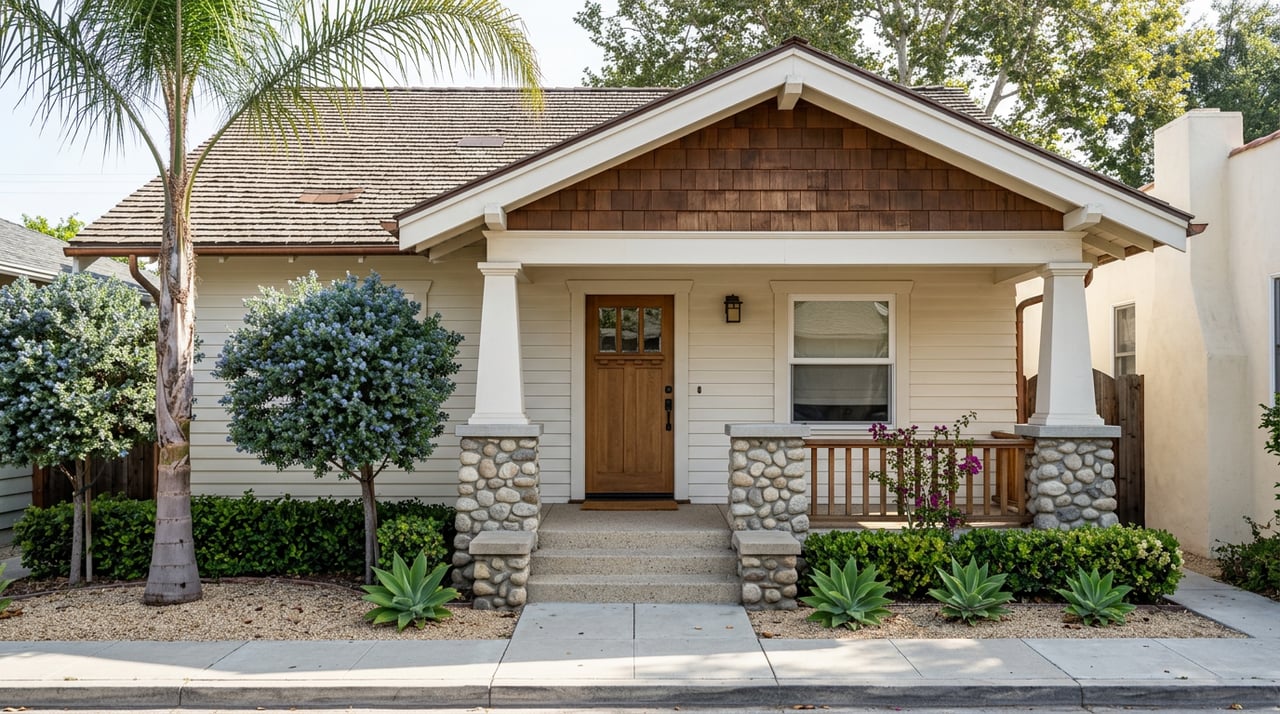
It helps to understand Park Estates in the context of surrounding Long Beach neighborhoods. The City describes places like Belmont Heights and Bluff Heights as mostly Craftsman bungalow districts, with much of their historic housing built between 1905 and 1923, as noted on the city’s historic districts page.
Park Estates is materially different. Rather than an early-20th-century bungalow district, it is a later postwar neighborhood centered on custom homes, larger estate lots, and more formal architectural oversight.
Why That Difference Matters for Owners
This distinction affects how buyers often perceive the neighborhood and how owners think about upkeep and improvements. In Park Estates, value and identity are closely tied to the consistency of the streetscape, lot scale, and custom-home heritage.
That makes ownership here a little different from ownership in areas known mainly for older bungalow stock or denser historic blocks. Park Estates is better understood as a planned estate enclave with a preserved visual rhythm.
Ownership Takeaways for Park Estates Homeowners
If you own in Park Estates, a few themes stand out:
- Neighborhood character is a major asset. Larger lots, custom homes, and mature trees give the area a distinct look and feel.
- Exterior changes require planning. HOA and Architectural Review Board oversight can affect remodeling timelines and project scope.
- Tree rules matter. Removal of trees over 12 feet requires HOA review.
- Tract details are important. Your specific CC&Rs may shape what is allowed on your property.
- Location adds everyday value. Proximity to CSULB and Recreation Park supports the neighborhood’s long-term appeal.
For many owners, understanding these factors is useful whether you are maintaining your home, considering improvements, or thinking ahead to a future sale.
Why Local Context Matters When You Sell
In a neighborhood like Park Estates, selling is not just about square footage or bedroom count. Buyers often respond to the full story of the neighborhood, including its estate-lot pattern, custom architecture, mature landscaping, and HOA-guided consistency.
That is where local neighborhood knowledge can make a real difference. Positioning a Park Estates home well means understanding how the neighborhood fits into the broader Long Beach market and communicating the features that truly set it apart.
If you are thinking about your next move, want a clearer sense of your home’s market position, or need guidance on how Park Estates features may affect value, Cynthia Voss can help you navigate the details with the kind of local insight and hands-on service that Long Beach homeowners value.
FAQs
What makes Park Estates in Long Beach stand out for homeowners?
- Park Estates stands out for its estate-scale lots, custom architecture, mature trees, and structured HOA oversight that helps preserve a consistent neighborhood appearance.
What should Park Estates owners know before remodeling?
- Park Estates owners should know that exterior modifications must be reviewed by the HOA’s Architectural Review Board, and tract-specific CC&Rs may also apply.
Are there tree removal rules in Park Estates Long Beach?
- Yes. According to the HOA, any tree over 12 feet requires review and approval before removal.
How is Park Estates different from nearby Long Beach neighborhoods?
- Park Estates is a postwar custom-home neighborhood with larger lots and more formal architectural oversight, unlike nearby areas known for earlier Craftsman bungalow housing.
Where are the Park Estates HOA meetings held?
- The HOA says board meetings typically take place on the third Thursday of each month, and the city directory lists meetings at 1777 Bellflower Blvd. #100 at 6:30 p.m.