If you are selling a home in Park Estates, you are not just putting square footage on the market. You are selling architecture, lot presence, mature landscaping, and a place in one of Long Beach’s more distinctive residential pockets. That can create strong opportunity, but it also means your pricing, preparation, and launch need to be more precise. This guide will walk you through what matters most so you can make smart decisions before your home goes live. Let’s dive in.
Why Park Estates Requires a Different Selling Strategy
Park Estates has a specific identity within Long Beach. According to the City of Long Beach, the tract opened in 1951 near the then-new Long Beach State campus and became known for custom homes by architects including Richard Neutra, Edward Killingsworth, and John Lautner, along with design standards shaped by an architectural board and neighborhood association. That history still influences how buyers view the neighborhood today.
Because of that, buyers often look beyond basic bedroom and bathroom counts. They pay attention to architectural style, lot size, outdoor setting, and how the home fits within the neighborhood’s established character. In Park Estates, your home is often judged in context, not in isolation.
Understand the Current Park Estates Market
Recent data shows Park Estates behaves differently than Long Beach overall. Redfin’s March 2026 neighborhood data reports a median sale price of $1,030,250, 8 homes sold, 78 median days on market, and a 97.1% sale-to-list ratio.
By comparison, Long Beach overall posted a median sale price of $905,000 and about 47 days on market. That suggests Park Estates can command higher pricing than the city median, but homes may also take longer to sell. For you as a seller, that means patience and preparation matter.
The broader Long Beach market has also become more price-sensitive. Realtor.com’s March 2026 Long Beach report says active inventory rose to 452 homes, up 13.4% year over year, while the median listing price fell 12.1% and 16.5% of listings took a price cut. In a market like this, buyers have more options and are quicker to notice overpricing.
Price to the Micro-Market
One of the biggest mistakes a Park Estates seller can make is leaning too heavily on Long Beach citywide averages. This neighborhood is a low-turnover, high-value micro-market, so broad medians can miss the details that actually drive buyer decisions.
A better approach is to study recent Park Estates sales and adjust for the factors buyers really compare. Those usually include:
- Square footage
- Lot size
- Architectural style
- Remodel level
- Pool or outdoor amenities
- Street location and overall setting
Recent sales in Park Estates show how wide the range can be. Redfin reports examples such as 1205 Bryant closing at $2.85 million after 119 days, 5440 E La Pasada at $1.70 million after 77 days, and 1210 Los Altos at $2.875 million after 36 days. That spread tells you something important: condition, presentation, and property-specific appeal can change both price and timing.
Prepare the Exterior Early
In Park Estates, the outside of the property carries real weight. The City of Long Beach’s land use materials describe the area as estate housing, which supports treating the property as a lot-and-setting sale, not just an interior-room sale. Buyers are often evaluating the driveway approach, the landscaping, the trees, and the indoor-outdoor flow before they even decide how they feel about the floor plan.
That means exterior prep should start early. Clean sight lines, refreshed landscaping, trimmed greenery, and a polished entry sequence can make a big difference in both photography and in-person impressions.
There is also an approval layer to keep in mind. The Park Estates HOA states that exterior modifications require consultation with the Architectural Review Board, and each tract has its own CC&Rs. If you are considering paint, hardscape changes, gates, exterior repairs, or similar updates before listing, build in enough time for review.
Tree work deserves its own planning window. The HOA says trees over 12 feet require review before removal, and mature trees are part of the neighborhood’s identity. Even if you are not removing trees, pruning and visibility cleanup should be scheduled well in advance of photos and showings.
Market the Architecture, Not Just the Rooms
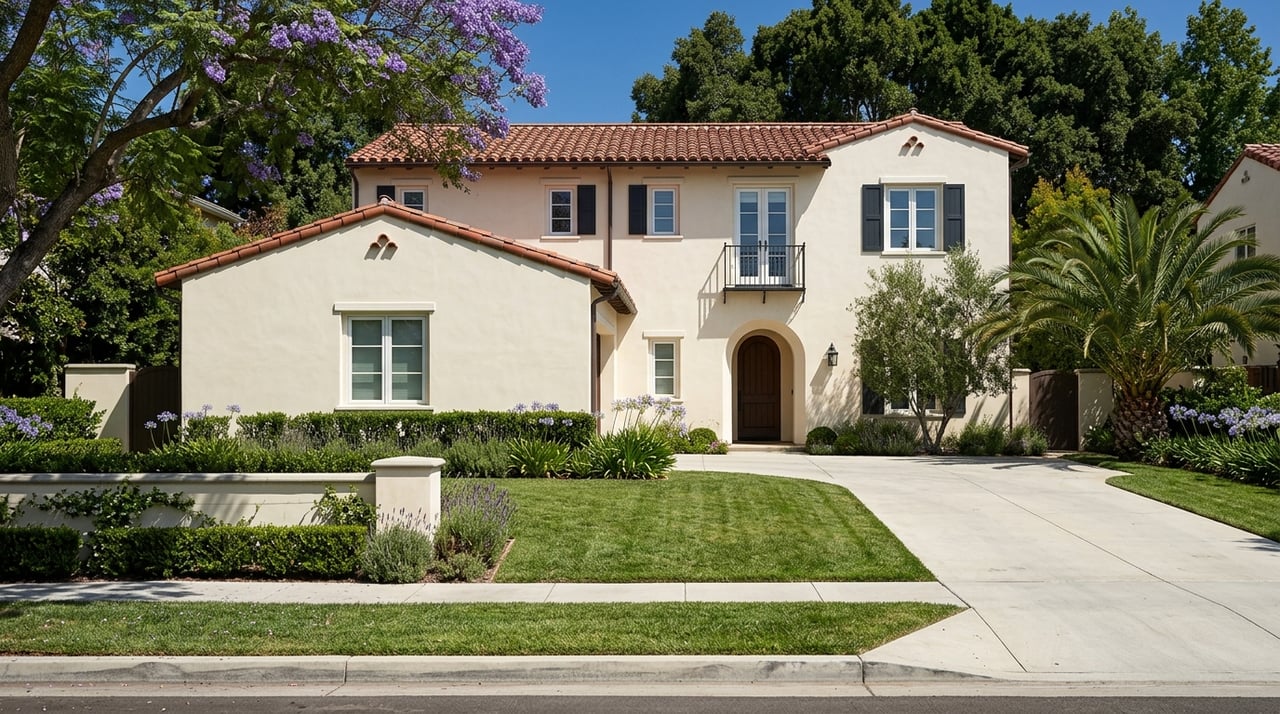
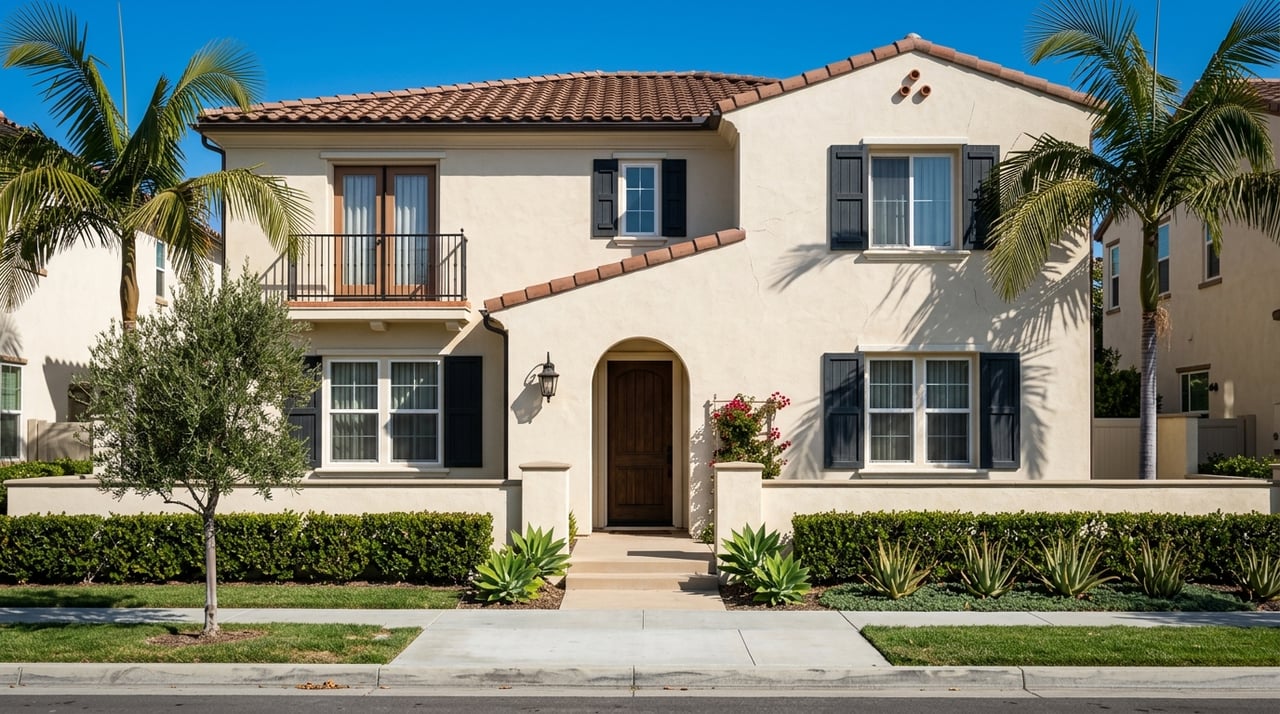
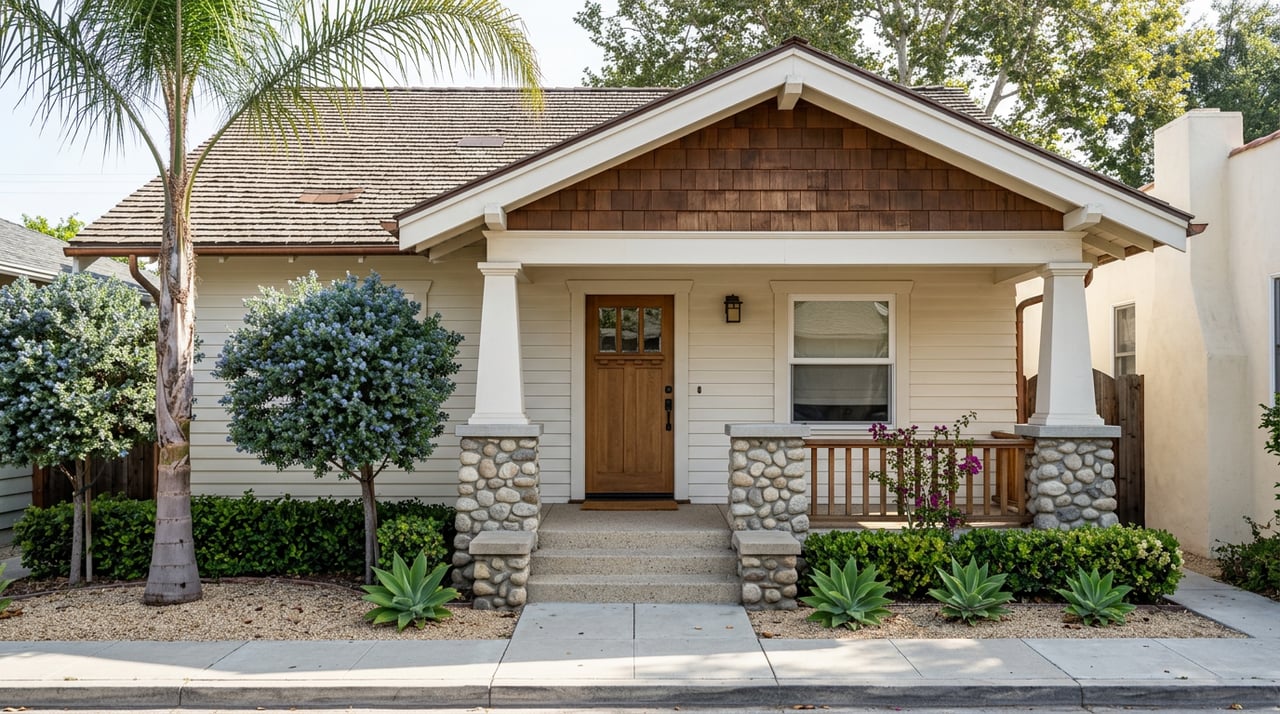
Generic listing photos rarely do a Park Estates home justice. Because the neighborhood is known for custom design and mature landscaping, your marketing should show the home as a complete property experience.
That usually means emphasizing:
- Wide exterior angles that show scale and setting
- Clean rooflines and architectural details
- Front approach and driveway presence
- Backyard layout and outdoor living areas
- Connections between interior spaces and the lot
This kind of presentation helps buyers understand why one Park Estates home stands apart from another. In a neighborhood where custom architecture and curb presence matter, better visuals are not just nice to have. They support stronger positioning from day one.
Plan a More Curated Launch
Not every neighborhood rewards a rushed, open-ended launch. In Park Estates, the smaller number of sales and longer days on market suggest a more deliberate rollout can be the better path.
Instead of treating your listing like a high-volume commodity, it often makes sense to prepare thoroughly before the first showing. That includes professional photography, a clean property file, and a showing plan that respects the value and pace of the market.
Appointment-based showings can be especially useful in this setting. With fewer direct comparables and more nuanced buyer expectations, a controlled launch gives you room to present the home clearly and answer questions with confidence.
Get Disclosures Ready Before Showings
A polished listing file can reduce friction once buyer interest starts building. According to the California Department of Real Estate, sellers and agents must ensure required notices and disclosures are included, and records should be retained for three years.
For many Park Estates sellers, the key disclosure items may include:
- Transfer Disclosure Statement
- Known environmental hazard disclosures
- HOA documents
- Repair invoices or improvement records
- Structural pest report, when required by the contract or lender
If your home is older, lead-based paint paperwork may also apply. Because Park Estates development began in 1951, many homes may predate 1978. The DRE guidance notes that federal lead disclosure requirements include the EPA pamphlet, a lead warning statement, buyer acknowledgment, and an opportunity to inspect unless waived in writing.
Having these items organized early can make your home easier to evaluate. It also helps serious buyers move forward with fewer delays.
Expect Negotiation, Not Chaos
The data suggests Park Estates buyers are still active, but they are not likely to ignore a pricing miss. Redfin’s Long Beach market data shows homes average about 1% below list price, while hot homes can sell around 2% above list. In Park Estates specifically, the 97.1% sale-to-list ratio points to a market where negotiation is normal.
That does not mean you should underprice your home. It means you should price with discipline, prepare thoroughly, and expect informed buyers to compare value carefully. The right strategy is usually not to chase attention with an unrealistic number, but to create confidence with a well-supported one.
What Sellers Should Do First
If you are getting ready to sell in Park Estates, start with the steps that affect timing and presentation the most.
- Review recent Park Estates sales, not just Long Beach averages.
- Identify any exterior work that may need HOA or ARB review.
- Schedule landscaping, pruning, and visibility cleanup early.
- Prepare disclosures and supporting documents before launch.
- Build a marketing plan that highlights architecture, lot, and setting.
- Set expectations for a more measured selling timeline.
These steps can help you avoid last-minute delays and position your property more effectively from the start.
Selling in Park Estates With the Right Local Guidance
Selling in Park Estates calls for more than a basic list-and-post approach. You need a strategy that respects the neighborhood’s architectural history, its HOA framework, and the way buyers evaluate custom homes in a slower-moving micro-market.
That is where local experience can make a real difference. When you combine thoughtful pricing, polished presentation, and careful pre-listing preparation, you put yourself in a stronger position to attract qualified buyers and negotiate from a place of confidence. If you are thinking about your next move, Cynthia Voss can help you evaluate your home, your timing, and the best path to market.
FAQs
How should you price a home in Park Estates Long Beach?
- Start with recent Park Estates sales and adjust for square footage, lot size, architecture, upgrades, outdoor amenities, and street position instead of relying on Long Beach citywide medians.
Do exterior changes in Park Estates need HOA approval?
- Yes. The Park Estates HOA says exterior modifications require Architectural Review Board consultation, and trees over 12 feet need review before removal.
How long does it take to sell a home in Park Estates?
- Redfin’s March 2026 data shows a median of 78 days on market in Park Estates, which is longer than the citywide pace.
What disclosures matter when selling an older Park Estates home?
- Common items include the Transfer Disclosure Statement, known environmental hazard disclosures, and lead-based paint paperwork for homes that predate 1978, plus any pest report required by the contract or lender.
Why does presentation matter so much for a Park Estates listing?
- Park Estates is known for custom architecture, mature landscaping, and estate-style settings, so buyers often evaluate the full property experience, not just the interior rooms.